Sustainable plasma surface treatment
Cleaner surface preparation with air plasma technology that reduces chemical use, supports lower-power processing, and helps manufacturers improve adhesion without relying on wet chemical primers. Atmospheric plasma is widely used to clean and activate surfaces for bonding, coating and printing while reducing solvent-heavy pretreatment steps.
Built for cleaner manufacturing
Our plasma systems are designed around a simple principle: use electricity and clean air to prepare surfaces at the point of production. That means a dry, in-line process that can often replace or reduce primers, wipes, and other wet chemistry steps while improving surface energy and adhesion performance. Atmospheric plasma treatment is a fast, economical alternative to traditional wet-chemical surface modification.
Cleaner Manufacturing
Only clean air and electricity
Many atmospheric plasma systems operate with compressed air and electrical power rather than solvent-based chemical baths or primers. That simplifies inputs, reduces consumables, and supports a cleaner production environment.
Low-power operation
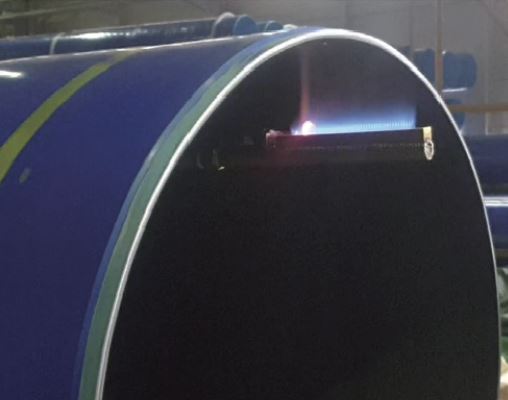
Air plasma treatment is highly localised, works in seconds, and is available in compact systems with power ratings measured in hundreds of watts to low kilowatts rather than large thermal process loads. Commercial examples range from 300 W single-nozzle systems to units below 1.5 kW.
No wet chemical primers
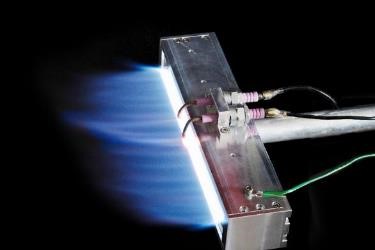
Plasma treatment can often replace primer-based pretreatment by cleaning and activating the surface directly before bonding, coating, sealing or printing. Research and industry sources both report strong adhesion gains without the added complexity of wet chemistry.

Non-toxic process direction
Removing or reducing solvents and chemical primers helps lower exposure to hazardous substances associated with many solvent-based products. OSHA notes that solvent exposure can affect the nervous system, skin, lungs, liver and kidneys, while VOC regulations exist specifically to reduce risk to people and the environment. Plasma surface preparation removes these risks.